Buy domainnameservice.org ?
We are moving the project
domainnameservice.org .
Are you interested in purchasing the domain
domainnameservice.org ?
domain@kv-gmbh.de · 0541-91531010
Buy domainnameservice.org ?
Romantic or Romanesque?
The terms "romantic" and "romanesque" refer to different artistic and architectural styles. "Romantic" typically refers to a style characterized by emotion, imagination, and a focus on nature, while "romanesque" refers to a style of architecture that was prevalent in medieval Europe, characterized by thick walls, rounded arches, and decorative elements. Therefore, the choice between "romantic" or "romanesque" would depend on the specific context or artistic preference being discussed. **
What is Romanesque 2?
Romanesque 2 is a style of architecture that developed in medieval Europe during the 11th and 12th centuries. It is characterized by its use of rounded arches, thick walls, and decorative elements such as sculpted capitals and intricate carvings. Romanesque 2 also features a strong emphasis on symmetry and a sense of grandeur, often seen in the design of churches, castles, and other religious and secular buildings. This architectural style is considered a continuation of the earlier Romanesque style, with some new innovations and regional variations. **


Similar search terms for Romanesque
Top-Angebote
Products related to Romanesque:
-
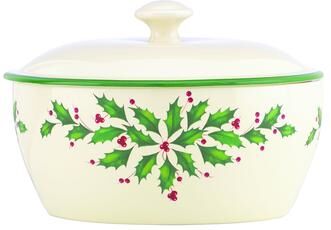
Lenox Hosting The Holidays Covered CasseroleThis Hosting the Holidays Casserole Dish is ideal for serving large dinner parties. Crafted of durable ivory porcelain, this spacious dish features a festive holly motif and comes with a matching lid.45,99 $*Shipping: 0,00 $Secure redirect to the provider
-
Lenox Hosting The Holidays Bread TrayWhether presenting an assortment of rolls or a buttery log of Texas toast, this festive ceramic Hosting the Holidays Bread Tray will not disappoint. The tray features a holly motif and is accented with 24-karat gold.44,49 $*Shipping: 0,00 $Secure redirect to the provider
-
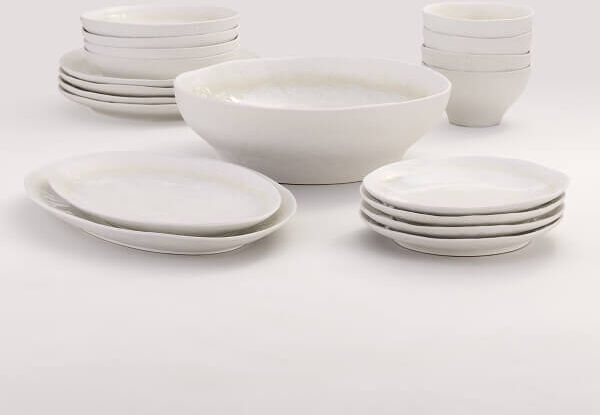
Stellar Stoneware Bantham Hosting For 4 SetIntroduce calm, contemporary style to your table with the Stellar Stoneware Bantham collection. Defined by smooth, modern contours and a soft green reactive glaze, each piece brings a fresh, artisan-inspired feel to everyday dining. Crafted from durable stoneware and fired for exceptional strength, the range offers excellent resistance to chipping and everyday wear. The naturally smooth glazed finish resists staining, cleans with ease, and provides a reassuringly balanced feel in hand. Its thick stoneware construction also enhances heat retention, helping dishes stay warmer for longer. Designed for modern living, every piece is microwave, dishwasher, and oven safe (up to 180°C), making the collection as practical as it is elegant—ideal for both daily use and relaxed entertaining. Set includes: 4 dinner plates, 4 side plates, 4x pasta bowls, 4 cereal bowls, 1x medium platter, 1x large platter and 1x serving bowl.199,95 £*Shipping: 0,00 £Secure redirect to the provider
-
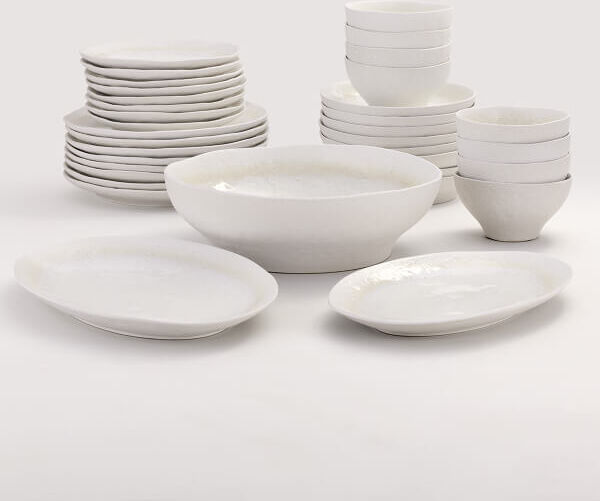
Stellar Stoneware Bantham Hosting For 8 SetIntroduce calm, contemporary style to your table with the Stellar Stoneware Bantham collection. Defined by smooth, modern contours and a soft green reactive glaze, each piece brings a fresh, artisan-inspired feel to everyday dining. Crafted from durable stoneware and fired for exceptional strength, the range offers excellent resistance to chipping and everyday wear. The naturally smooth glazed finish resists staining, cleans with ease, and provides a reassuringly balanced feel in hand. Its thick stoneware construction also enhances heat retention, helping dishes stay warmer for longer. Designed for modern living, every piece is microwave, dishwasher, and oven safe (up to 180°C), making the collection as practical as it is elegant—ideal for both daily use and relaxed entertaining. Set includes: 8 dinner plates, 8 side plates, 8x pasta bowls, 8 cereal bowls, 1x medium platter, 1x large platter and 1x serving bowl324,95 £*Shipping: 0,00 £Secure redirect to the provider


-
Who were the architects of Romanesque architecture?
The architects of Romanesque architecture were primarily anonymous master builders and craftsmen who worked on the construction of churches, monasteries, and other religious buildings during the Romanesque period (approximately 1000-1200 AD). These skilled artisans were often members of guilds or religious orders and were responsible for designing and constructing the thick-walled, fortress-like structures characteristic of Romanesque architecture. While specific names of architects are rarely known, their collective work has left a lasting legacy in the form of some of the most iconic buildings of the medieval period. **
-
Who are famous figures of the Romanesque period?
Some famous figures of the Romanesque period include Abbot Suger, who was a key figure in the development of Gothic architecture; Pope Urban II, who called for the First Crusade in 1095; and William the Conqueror, who commissioned the construction of many Romanesque buildings in England, such as the Tower of London. These figures played significant roles in shaping the political, religious, and architectural landscape of the Romanesque period. **
-
How can Gothic and Romanesque architecture be compared?
Gothic and Romanesque architecture can be compared in several ways. Both styles are characterized by their use of stone construction, thick walls, and large, imposing structures. However, Gothic architecture is known for its pointed arches, ribbed vaults, and flying buttresses, which allow for taller and more open interior spaces. On the other hand, Romanesque architecture is characterized by its rounded arches, barrel vaults, and heavy, fortress-like appearance. Additionally, Gothic architecture is often associated with a more vertical and ethereal aesthetic, while Romanesque architecture tends to have a more solid and grounded feel. **
-
What is the difference between Romanesque and Gothic?
Romanesque architecture is characterized by thick walls, rounded arches, and small windows, while Gothic architecture features pointed arches, ribbed vaults, and flying buttresses. Romanesque buildings tend to have a more fortress-like appearance, while Gothic buildings are taller and more delicate in appearance. Additionally, Romanesque churches often have a single, massive tower, while Gothic churches typically have multiple towers and spires. Overall, Romanesque architecture is more solid and heavy, while Gothic architecture is more light and airy. **
Who are famous people of the Romanesque period?
Some famous people of the Romanesque period include Pope Urban II, who called for the First Crusade in 1095, and William the Conqueror, who led the Norman Conquest of England in 1066. Additionally, Hildegarde of Bingen, a German abbess, composer, and mystic, was a prominent figure during this time. Architectural figures such as Abbot Suger, who oversaw the construction of the Abbey Church of St. Denis in France, also made significant contributions to the Romanesque period. **
Who were the most significant artists in the Romanesque period?
Some of the most significant artists in the Romanesque period were the anonymous master builders and sculptors who created the magnificent cathedrals and churches of the time. These artists were responsible for the intricate carvings, sculptures, and architectural designs that defined the Romanesque style. Additionally, the illuminated manuscripts created by monks in monasteries were also significant artistic achievements of the period. Notable examples include the Winchester Bible and the León Bible. These artists and craftsmen played a crucial role in shaping the artistic and architectural landscape of the Romanesque period. **
Top-Angebote
Products related to Romanesque:
-
Lenox Hosting The Holidays Covered CasseroleThis Hosting the Holidays Casserole Dish is ideal for serving large dinner parties. Crafted of durable ivory porcelain, this spacious dish features a festive holly motif and comes with a matching lid.45,99 $*Shipping: 0,00 $Secure redirect to the provider
-
Lenox Hosting The Holidays Bread TrayWhether presenting an assortment of rolls or a buttery log of Texas toast, this festive ceramic Hosting the Holidays Bread Tray will not disappoint. The tray features a holly motif and is accented with 24-karat gold.44,49 $*Shipping: 0,00 $Secure redirect to the provider
-
Romantic or Romanesque?
The terms "romantic" and "romanesque" refer to different artistic and architectural styles. "Romantic" typically refers to a style characterized by emotion, imagination, and a focus on nature, while "romanesque" refers to a style of architecture that was prevalent in medieval Europe, characterized by thick walls, rounded arches, and decorative elements. Therefore, the choice between "romantic" or "romanesque" would depend on the specific context or artistic preference being discussed. **
-
What is Romanesque 2?
Romanesque 2 is a style of architecture that developed in medieval Europe during the 11th and 12th centuries. It is characterized by its use of rounded arches, thick walls, and decorative elements such as sculpted capitals and intricate carvings. Romanesque 2 also features a strong emphasis on symmetry and a sense of grandeur, often seen in the design of churches, castles, and other religious and secular buildings. This architectural style is considered a continuation of the earlier Romanesque style, with some new innovations and regional variations. **
-
Who were the architects of Romanesque architecture?
The architects of Romanesque architecture were primarily anonymous master builders and craftsmen who worked on the construction of churches, monasteries, and other religious buildings during the Romanesque period (approximately 1000-1200 AD). These skilled artisans were often members of guilds or religious orders and were responsible for designing and constructing the thick-walled, fortress-like structures characteristic of Romanesque architecture. While specific names of architects are rarely known, their collective work has left a lasting legacy in the form of some of the most iconic buildings of the medieval period. **
-
Who are famous figures of the Romanesque period?
Some famous figures of the Romanesque period include Abbot Suger, who was a key figure in the development of Gothic architecture; Pope Urban II, who called for the First Crusade in 1095; and William the Conqueror, who commissioned the construction of many Romanesque buildings in England, such as the Tower of London. These figures played significant roles in shaping the political, religious, and architectural landscape of the Romanesque period. **
Similar search terms for Romanesque
-
Stellar Stoneware Bantham Hosting For 4 SetIntroduce calm, contemporary style to your table with the Stellar Stoneware Bantham collection. Defined by smooth, modern contours and a soft green reactive glaze, each piece brings a fresh, artisan-inspired feel to everyday dining. Crafted from durable stoneware and fired for exceptional strength, the range offers excellent resistance to chipping and everyday wear. The naturally smooth glazed finish resists staining, cleans with ease, and provides a reassuringly balanced feel in hand. Its thick stoneware construction also enhances heat retention, helping dishes stay warmer for longer. Designed for modern living, every piece is microwave, dishwasher, and oven safe (up to 180°C), making the collection as practical as it is elegant—ideal for both daily use and relaxed entertaining. Set includes: 4 dinner plates, 4 side plates, 4x pasta bowls, 4 cereal bowls, 1x medium platter, 1x large platter and 1x serving bowl.199,95 £*Shipping: 0,00 £Secure redirect to the provider
-
Stellar Stoneware Bantham Hosting For 8 SetIntroduce calm, contemporary style to your table with the Stellar Stoneware Bantham collection. Defined by smooth, modern contours and a soft green reactive glaze, each piece brings a fresh, artisan-inspired feel to everyday dining. Crafted from durable stoneware and fired for exceptional strength, the range offers excellent resistance to chipping and everyday wear. The naturally smooth glazed finish resists staining, cleans with ease, and provides a reassuringly balanced feel in hand. Its thick stoneware construction also enhances heat retention, helping dishes stay warmer for longer. Designed for modern living, every piece is microwave, dishwasher, and oven safe (up to 180°C), making the collection as practical as it is elegant—ideal for both daily use and relaxed entertaining. Set includes: 8 dinner plates, 8 side plates, 8x pasta bowls, 8 cereal bowls, 1x medium platter, 1x large platter and 1x serving bowl324,95 £*Shipping: 0,00 £Secure redirect to the provider
-
Stellar Stoneware Mylor Hosting For 4 SetElevate everyday dining with the Stellar Stoneware Mylor collection, defined by its rich reactive glaze that gives each piece a subtly unique character. Blending warmth with understated style, Mylor brings a considered, artisanal touch to both casual meals and relaxed entertaining. Crafted from durable stoneware and fired for strength, each piece is designed to withstand daily use while maintaining its refined appearance. Plates and bowls are thoughtfully weighted for a balanced, comfortable feel in hand—offering reassuring sturdiness without compromising elegance. The thick stoneware construction also provides excellent heat retention, helping dishes stay warmer for longer. Designed for modern living, the collection is microwave and dishwasher safe, and suitable for oven use up to 180°C—ideal for everything from reheating to finishing dishes. Set includes: 4 dinner plates, 4 side plates, 4x pasta bowls, 4 cereal bowls, 1x medium platter, 1x large platter and 1x serving bowl.199,95 £*Shipping: 0,00 £Secure redirect to the provider
-
Stellar Stoneware Mylor Hosting For 8 SetElevate everyday dining with the Stellar Stoneware Mylor collection, defined by its rich reactive glaze that gives each piece a subtly unique character. Blending warmth with understated style, Mylor brings a considered, artisanal touch to both casual meals and relaxed entertaining. Crafted from durable stoneware and fired for strength, each piece is designed to withstand daily use while maintaining its refined appearance. Plates and bowls are thoughtfully weighted for a balanced, comfortable feel in hand—offering reassuring sturdiness without compromising elegance. The thick stoneware construction also provides excellent heat retention, helping dishes stay warmer for longer. Designed for modern living, the collection is microwave and dishwasher safe, and suitable for oven use up to 180°C—ideal for everything from reheating to finishing dishes. Set includes: 8 dinner plates, 8 side plates, 8x pasta bowls, 8 cereal bowls, 1x medium platter, 1x large platter and 1x serving bowl324,95 £*Shipping: 0,00 £Secure redirect to the provider
-
How can Gothic and Romanesque architecture be compared?
Gothic and Romanesque architecture can be compared in several ways. Both styles are characterized by their use of stone construction, thick walls, and large, imposing structures. However, Gothic architecture is known for its pointed arches, ribbed vaults, and flying buttresses, which allow for taller and more open interior spaces. On the other hand, Romanesque architecture is characterized by its rounded arches, barrel vaults, and heavy, fortress-like appearance. Additionally, Gothic architecture is often associated with a more vertical and ethereal aesthetic, while Romanesque architecture tends to have a more solid and grounded feel. **
-
What is the difference between Romanesque and Gothic?
Romanesque architecture is characterized by thick walls, rounded arches, and small windows, while Gothic architecture features pointed arches, ribbed vaults, and flying buttresses. Romanesque buildings tend to have a more fortress-like appearance, while Gothic buildings are taller and more delicate in appearance. Additionally, Romanesque churches often have a single, massive tower, while Gothic churches typically have multiple towers and spires. Overall, Romanesque architecture is more solid and heavy, while Gothic architecture is more light and airy. **
-
Who are famous people of the Romanesque period?
Some famous people of the Romanesque period include Pope Urban II, who called for the First Crusade in 1095, and William the Conqueror, who led the Norman Conquest of England in 1066. Additionally, Hildegarde of Bingen, a German abbess, composer, and mystic, was a prominent figure during this time. Architectural figures such as Abbot Suger, who oversaw the construction of the Abbey Church of St. Denis in France, also made significant contributions to the Romanesque period. **
-
Who were the most significant artists in the Romanesque period?
Some of the most significant artists in the Romanesque period were the anonymous master builders and sculptors who created the magnificent cathedrals and churches of the time. These artists were responsible for the intricate carvings, sculptures, and architectural designs that defined the Romanesque style. Additionally, the illuminated manuscripts created by monks in monasteries were also significant artistic achievements of the period. Notable examples include the Winchester Bible and the León Bible. These artists and craftsmen played a crucial role in shaping the artistic and architectural landscape of the Romanesque period. **
* All prices are inclusive of VAT and, if applicable, plus shipping costs. The offer information is based on the details provided by the respective shop and is updated through automated processes. Real-time updates do not occur, so deviations can occur in individual cases. ** Note: Parts of this content were created by AI.