Buy domainnameservice.org ?
We are moving the project
domainnameservice.org .
Are you interested in purchasing the domain
domainnameservice.org ?
domain@kv-gmbh.de · 0541-91531010
Buy domainnameservice.org ?
How is plasma formed?
Plasma is formed when a gas is heated to extremely high temperatures, causing the atoms to ionize and become positively charged ions and free electrons. This process occurs at temperatures of thousands of degrees Celsius, such as in the core of a star or in a laboratory setting using high-energy sources like lasers or electric currents. Once the gas reaches this state, it becomes a fourth state of matter, distinct from solid, liquid, and gas, and exhibits unique properties such as the ability to conduct electricity and respond to magnetic fields. **
How is quartz formed?
Quartz is formed through a process of crystallization from silicon and oxygen atoms. It can be found in a variety of environments, including igneous, metamorphic, and sedimentary rocks. In igneous rocks, quartz forms as magma cools and solidifies, while in sedimentary rocks, it can be deposited from the erosion and weathering of pre-existing rocks. Quartz can also form through the metamorphism of other minerals under high pressure and temperature conditions. Overall, the formation of quartz involves the arrangement of silicon and oxygen atoms into a repeating crystalline structure. **

Similar search terms for Formed
Top-Angebote
Products related to Formed:
-
Atlas Lighting and Home Atlas Metcalf Hand-Formed Bubbled Glass Ribbed Bowl - 11.5 inch WideExperience the artistry of the Metcalf Bowl. Made from hand-formed bubbled glass, this heavyweight ribbed bowl is a testament to craftsmanship and a true work of art for your home.118,00 $*Shipping: 0,00 $Secure redirect to the provider
-
Lenox Hosting The Holidays Covered CasseroleThis Hosting the Holidays Casserole Dish is ideal for serving large dinner parties. Crafted of durable ivory porcelain, this spacious dish features a festive holly motif and comes with a matching lid.45,99 $*Shipping: 0,00 $Secure redirect to the provider
-
Lenox Hosting The Holidays Bread TrayWhether presenting an assortment of rolls or a buttery log of Texas toast, this festive ceramic Hosting the Holidays Bread Tray will not disappoint. The tray features a holly motif and is accented with 24-karat gold.44,49 $*Shipping: 0,00 $Secure redirect to the provider



-
How is peat formed?
Peat is formed from the accumulation of partially decayed plant material in waterlogged environments such as bogs and wetlands. When plants die, their organic matter is not fully decomposed due to the waterlogged and acidic conditions, leading to the accumulation of peat over time. The slow decomposition process and the accumulation of more plant material eventually result in the formation of peat. This process can take thousands of years, and the resulting peat is a valuable natural resource used for fuel, horticulture, and as a carbon sink. **
-
How is coal formed?
Coal is formed from the remains of ancient plants that were buried and subjected to high pressure and heat over millions of years. The process begins with the accumulation of plant material in swamps and marshes, which is then buried by layers of sediment. As the plant material is buried deeper, the heat and pressure cause physical and chemical changes, transforming it into peat, then lignite, and eventually into coal. This process, known as coalification, takes millions of years and results in the formation of different types of coal, such as anthracite, bituminous, and sub-bituminous coal. **
-
How are metals formed?
Metals are formed through a process called nucleosynthesis, which occurs in the cores of stars. During nucleosynthesis, lighter elements such as hydrogen and helium are fused together to form heavier elements like carbon, oxygen, and eventually metals like iron, nickel, and copper. When massive stars reach the end of their life cycle, they undergo a supernova explosion, releasing these newly formed metals into space. Over time, these metals can then accumulate and form into planets, including Earth, where they can be mined and used for various purposes. **
-
How are crystals formed?
Crystals are formed when atoms or molecules arrange themselves in a repeating pattern, creating a solid structure with a specific geometric shape. This process can occur through various methods, such as cooling of a liquid, evaporation of a solution, or solidification of a melt. As the atoms or molecules come together, they form a lattice structure, leading to the formation of a crystal with distinct properties and characteristics. The specific conditions and elements involved in the formation process determine the type and shape of the crystal that is produced. **


How are membranes formed?
Membranes are formed through a process called self-assembly, where molecules arrange themselves into a bilayer structure. This occurs because the hydrophobic tails of the molecules are repelled by water, causing them to orient themselves away from the surrounding aqueous environment. This results in a double layer of molecules with their hydrophilic heads facing the water and their hydrophobic tails facing each other. This bilayer structure forms the basis of all biological membranes, providing a barrier that separates the interior of the cell from its external environment. **
How are steppes formed?
Steppes are formed in regions with a semi-arid climate, typically found in the interior of continents. They are characterized by low rainfall and a lack of trees, resulting in vast grasslands. The formation of steppes is influenced by factors such as the rain shadow effect, where mountains block moisture from reaching the interior, and the continental climate, which leads to extreme temperature variations. Over time, these conditions lead to the development of steppes as a distinct biome. **
Top-Angebote
Products related to Formed:
-
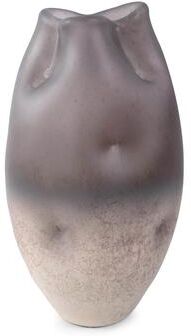
Allan Andrews Electric Flow Free Formed VaseThis hand-blown vase features a captivating ombre effect, blending cool gray and aubergine with warm beige and gold. With its unique shape and matte finish, it brings a modern touch to any design.189,00 $*Shipping: 0,00 $Secure redirect to the provider
-
Atlas Lighting and Home Atlas Metcalf Hand-Formed Bubbled Glass VaseExperience the artistry of the Metcalf Vase. Made from hand-formed bubbled glass, this heavyweight ribbed vase is a testament to craftsmanship and a true work of art for your home.150,00 $*Shipping: 0,00 $Secure redirect to the provider
-
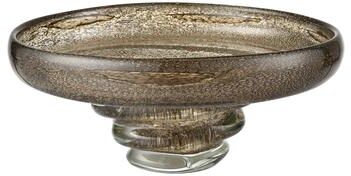
Atlas Lighting and Home Atlas Metcalf Hand-Formed Bubbled Glass Ribbed Bowl - 11.5 inch WideExperience the artistry of the Metcalf Bowl. Made from hand-formed bubbled glass, this heavyweight ribbed bowl is a testament to craftsmanship and a true work of art for your home.118,00 $*Shipping: 0,00 $Secure redirect to the provider
-
How is plasma formed?
Plasma is formed when a gas is heated to extremely high temperatures, causing the atoms to ionize and become positively charged ions and free electrons. This process occurs at temperatures of thousands of degrees Celsius, such as in the core of a star or in a laboratory setting using high-energy sources like lasers or electric currents. Once the gas reaches this state, it becomes a fourth state of matter, distinct from solid, liquid, and gas, and exhibits unique properties such as the ability to conduct electricity and respond to magnetic fields. **
-
How is quartz formed?
Quartz is formed through a process of crystallization from silicon and oxygen atoms. It can be found in a variety of environments, including igneous, metamorphic, and sedimentary rocks. In igneous rocks, quartz forms as magma cools and solidifies, while in sedimentary rocks, it can be deposited from the erosion and weathering of pre-existing rocks. Quartz can also form through the metamorphism of other minerals under high pressure and temperature conditions. Overall, the formation of quartz involves the arrangement of silicon and oxygen atoms into a repeating crystalline structure. **
-
How is peat formed?
Peat is formed from the accumulation of partially decayed plant material in waterlogged environments such as bogs and wetlands. When plants die, their organic matter is not fully decomposed due to the waterlogged and acidic conditions, leading to the accumulation of peat over time. The slow decomposition process and the accumulation of more plant material eventually result in the formation of peat. This process can take thousands of years, and the resulting peat is a valuable natural resource used for fuel, horticulture, and as a carbon sink. **
-
How is coal formed?
Coal is formed from the remains of ancient plants that were buried and subjected to high pressure and heat over millions of years. The process begins with the accumulation of plant material in swamps and marshes, which is then buried by layers of sediment. As the plant material is buried deeper, the heat and pressure cause physical and chemical changes, transforming it into peat, then lignite, and eventually into coal. This process, known as coalification, takes millions of years and results in the formation of different types of coal, such as anthracite, bituminous, and sub-bituminous coal. **
Similar search terms for Formed
-
Lenox Hosting The Holidays Covered CasseroleThis Hosting the Holidays Casserole Dish is ideal for serving large dinner parties. Crafted of durable ivory porcelain, this spacious dish features a festive holly motif and comes with a matching lid.45,99 $*Shipping: 0,00 $Secure redirect to the provider
-
Lenox Hosting The Holidays Bread TrayWhether presenting an assortment of rolls or a buttery log of Texas toast, this festive ceramic Hosting the Holidays Bread Tray will not disappoint. The tray features a holly motif and is accented with 24-karat gold.44,49 $*Shipping: 0,00 $Secure redirect to the provider
-
Stellar Stoneware Bantham Hosting For 4 SetIntroduce calm, contemporary style to your table with the Stellar Stoneware Bantham collection. Defined by smooth, modern contours and a soft green reactive glaze, each piece brings a fresh, artisan-inspired feel to everyday dining. Crafted from durable stoneware and fired for exceptional strength, the range offers excellent resistance to chipping and everyday wear. The naturally smooth glazed finish resists staining, cleans with ease, and provides a reassuringly balanced feel in hand. Its thick stoneware construction also enhances heat retention, helping dishes stay warmer for longer. Designed for modern living, every piece is microwave, dishwasher, and oven safe (up to 180°C), making the collection as practical as it is elegant—ideal for both daily use and relaxed entertaining. Set includes: 4 dinner plates, 4 side plates, 4x pasta bowls, 4 cereal bowls, 1x medium platter, 1x large platter and 1x serving bowl.199,95 £*Shipping: 0,00 £Secure redirect to the provider
-
How are metals formed?
Metals are formed through a process called nucleosynthesis, which occurs in the cores of stars. During nucleosynthesis, lighter elements such as hydrogen and helium are fused together to form heavier elements like carbon, oxygen, and eventually metals like iron, nickel, and copper. When massive stars reach the end of their life cycle, they undergo a supernova explosion, releasing these newly formed metals into space. Over time, these metals can then accumulate and form into planets, including Earth, where they can be mined and used for various purposes. **
-
How are crystals formed?
Crystals are formed when atoms or molecules arrange themselves in a repeating pattern, creating a solid structure with a specific geometric shape. This process can occur through various methods, such as cooling of a liquid, evaporation of a solution, or solidification of a melt. As the atoms or molecules come together, they form a lattice structure, leading to the formation of a crystal with distinct properties and characteristics. The specific conditions and elements involved in the formation process determine the type and shape of the crystal that is produced. **
-
How are membranes formed?
Membranes are formed through a process called self-assembly, where molecules arrange themselves into a bilayer structure. This occurs because the hydrophobic tails of the molecules are repelled by water, causing them to orient themselves away from the surrounding aqueous environment. This results in a double layer of molecules with their hydrophilic heads facing the water and their hydrophobic tails facing each other. This bilayer structure forms the basis of all biological membranes, providing a barrier that separates the interior of the cell from its external environment. **
-
How are steppes formed?
Steppes are formed in regions with a semi-arid climate, typically found in the interior of continents. They are characterized by low rainfall and a lack of trees, resulting in vast grasslands. The formation of steppes is influenced by factors such as the rain shadow effect, where mountains block moisture from reaching the interior, and the continental climate, which leads to extreme temperature variations. Over time, these conditions lead to the development of steppes as a distinct biome. **
* All prices are inclusive of VAT and, if applicable, plus shipping costs. The offer information is based on the details provided by the respective shop and is updated through automated processes. Real-time updates do not occur, so deviations can occur in individual cases. ** Note: Parts of this content were created by AI.