Buy domainnameservice.org ?
We are moving the project
domainnameservice.org .
Are you interested in purchasing the domain
domainnameservice.org ?
domain@kv-gmbh.de · 0541-91531010
Buy domainnameservice.org ?
How to taper off proton pump inhibitors?
To taper off proton pump inhibitors (PPIs), it is recommended to gradually reduce the dosage over a period of several weeks to minimize the risk of rebound acid hypersecretion. This can be done by gradually decreasing the frequency of taking the medication or by switching to a lower dose. It is important to consult with a healthcare provider before making any changes to your PPI regimen to ensure a safe and effective tapering plan tailored to your individual needs. Additionally, lifestyle modifications such as dietary changes and stress management techniques may help in managing acid reflux symptoms during the tapering process. **
Why is there proton transfer?
Proton transfer occurs because protons are the smallest and lightest positively charged particles, making them highly mobile and reactive. In chemical reactions, proton transfer can occur to stabilize charged species, balance charges, or facilitate the formation of new chemical bonds. Proton transfer is also essential in biological processes such as enzyme catalysis and cellular respiration. Overall, proton transfer plays a crucial role in maintaining the balance of charges and facilitating various chemical and biological processes. **

Similar search terms for Proton-pump
Top-Angebote
Products related to Proton-pump:
-
Inspired Finds Large Capacity Reusable Syringe Pump With Hose For Fluid Transfer And Pet Feeding 100ml 3.4 Fl OzTransfer liquids accurately and efficiently with this large capacity reusable syringe pump. Available in multiple capacities, this fluid transfer syringe includes a 1meter hose for convenient suction and dispensing of oils, water, nutrients, and...34,99 $*Shipping: 0,00 $Secure redirect to the provider
-
Lenox Hosting The Holidays Covered CasseroleThis Hosting the Holidays Casserole Dish is ideal for serving large dinner parties. Crafted of durable ivory porcelain, this spacious dish features a festive holly motif and comes with a matching lid.45,99 $*Shipping: 0,00 $Secure redirect to the provider
-
Lenox Hosting The Holidays Bread TrayWhether presenting an assortment of rolls or a buttery log of Texas toast, this festive ceramic Hosting the Holidays Bread Tray will not disappoint. The tray features a holly motif and is accented with 24-karat gold.44,49 $*Shipping: 0,00 $Secure redirect to the provider




-
What is a proton transfer reaction?
A proton transfer reaction is a chemical reaction in which a proton (H+) is transferred from one molecule to another. This transfer of a proton can result in the formation of new chemical species with different properties. Proton transfer reactions are common in various biological and chemical processes, such as acid-base reactions and enzyme-catalyzed reactions. The transfer of protons plays a crucial role in maintaining the pH balance in biological systems and is essential for many biochemical reactions to occur. **
-
What determines a proton donor and a proton acceptor?
A proton donor is a substance that can release a proton (H+) in a chemical reaction, while a proton acceptor is a substance that can accept a proton. This ability is determined by the presence of a hydrogen atom with a positive charge (H+) in the molecule. In general, substances with a lone pair of electrons, such as a hydroxide ion (OH-) or an amine group (NH2), can act as proton acceptors, while substances with a hydrogen atom bonded to an electronegative atom, such as a hydrochloric acid (HCl) or acetic acid (CH3COOH), can act as proton donors. **
-
What is meant by proton donors and proton acceptors?
Proton donors are substances that can donate a proton (H+) to another substance. This typically involves the release of a hydrogen ion. Proton acceptors, on the other hand, are substances that can accept a proton from another substance. This typically involves the uptake of a hydrogen ion. In the context of acid-base reactions, proton donors are acids, while proton acceptors are bases. **
-
What is proton donation and proton acceptance in chemistry?
Proton donation and proton acceptance are key concepts in acid-base chemistry. Proton donation refers to the transfer of a hydrogen ion (proton) from one substance to another. This typically occurs when an acid donates a proton to a base. Proton acceptance, on the other hand, involves the acceptance of a proton by a substance, often a base, leading to the formation of a new chemical species. These processes are fundamental to understanding the behavior of acids and bases in chemical reactions. **

Are there only proton-proton collisions in the particle accelerator?
No, there are not only proton-proton collisions in the particle accelerator. Particle accelerators can also collide protons with other particles such as electrons or heavy ions like lead or gold. These collisions are important for studying different aspects of particle physics and for exploring the fundamental forces and particles that make up the universe. By colliding different types of particles, scientists can gain a better understanding of the fundamental building blocks of matter and the forces that govern their interactions. **
Why are carboxylic acids proton donors and amines proton acceptors?
Carboxylic acids are proton donors because they contain a highly electronegative oxygen atom that can stabilize the resulting carboxylate anion by delocalizing the negative charge. Amines, on the other hand, are proton acceptors because they contain a lone pair of electrons on the nitrogen atom that can readily accept a proton to form a positively charged ammonium ion. This ability to donate or accept protons is due to the presence of functional groups in these molecules that can easily gain or lose a hydrogen ion in solution. **
Top-Angebote
Products related to Proton-pump:
-
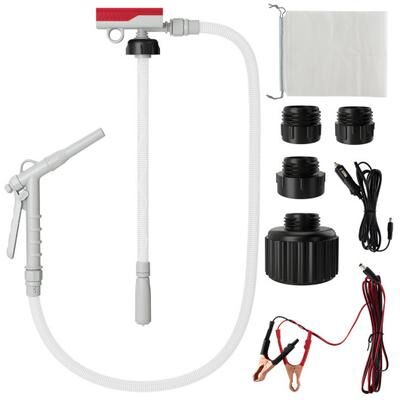
Blue Elephant Fuel Caddy, 56.8 L Portable Gas Fuel Tank Container With Le Fluid Transfer Siphon Pump 56.8LIntroducing the portable 56.8L fuel tank, designed for safe and efficient fuel storage and delivery. With a robust capacity and user-friendly features, this fuel tank is perfect for a variety of applications, ensuring you always have the fuel you need for your vehicles, boats, and other equipment. With a maximum capacity of 56.8L, this fuel tank provides ample storage for multiple vehicles, making it ideal for both personal and professional use. The 3m hose is crafted from automotive-grade rubber, ensuring durability and flexibility. It comes with a hose bracket for easy storage, keeping your workspace organised. All components, including the fuel tank, fuel injectors, and hoses, are made from highly durable polyethene plastic. This material is rust-resistant, ensuring long-lasting performance and environmental safety. The gas barrel is designed to eliminate fuel spillage through an innovative stop-and-go pump handle. This feature helps protect the environment while providing a safe user experience. The portable 56.8L fuel tank with multifunctional siphon pump is a reliable and efficient solution for your fuel storage and delivery needs. With its durable construction, safety features, and easy transport capabilities, this fuel tank is perfect for any home, business, or outdoor adventure. Ensure you have access to fuel whenever you need it - order your fuel tank today! Blue Elephant115,99 £*Shipping: 0,00 £Secure redirect to the provider
-
Inspired Finds Large Capacity Reusable Syringe Pump With Hose For Fluid Transfer And Pet Feeding 100ml 3.4 Fl OzTransfer liquids accurately and efficiently with this large capacity reusable syringe pump. Available in multiple capacities, this fluid transfer syringe includes a 1meter hose for convenient suction and dispensing of oils, water, nutrients, and...34,99 $*Shipping: 0,00 $Secure redirect to the provider
-
How to taper off proton pump inhibitors?
To taper off proton pump inhibitors (PPIs), it is recommended to gradually reduce the dosage over a period of several weeks to minimize the risk of rebound acid hypersecretion. This can be done by gradually decreasing the frequency of taking the medication or by switching to a lower dose. It is important to consult with a healthcare provider before making any changes to your PPI regimen to ensure a safe and effective tapering plan tailored to your individual needs. Additionally, lifestyle modifications such as dietary changes and stress management techniques may help in managing acid reflux symptoms during the tapering process. **
-
Why is there proton transfer?
Proton transfer occurs because protons are the smallest and lightest positively charged particles, making them highly mobile and reactive. In chemical reactions, proton transfer can occur to stabilize charged species, balance charges, or facilitate the formation of new chemical bonds. Proton transfer is also essential in biological processes such as enzyme catalysis and cellular respiration. Overall, proton transfer plays a crucial role in maintaining the balance of charges and facilitating various chemical and biological processes. **
-
What is a proton transfer reaction?
A proton transfer reaction is a chemical reaction in which a proton (H+) is transferred from one molecule to another. This transfer of a proton can result in the formation of new chemical species with different properties. Proton transfer reactions are common in various biological and chemical processes, such as acid-base reactions and enzyme-catalyzed reactions. The transfer of protons plays a crucial role in maintaining the pH balance in biological systems and is essential for many biochemical reactions to occur. **
-
What determines a proton donor and a proton acceptor?
A proton donor is a substance that can release a proton (H+) in a chemical reaction, while a proton acceptor is a substance that can accept a proton. This ability is determined by the presence of a hydrogen atom with a positive charge (H+) in the molecule. In general, substances with a lone pair of electrons, such as a hydroxide ion (OH-) or an amine group (NH2), can act as proton acceptors, while substances with a hydrogen atom bonded to an electronegative atom, such as a hydrochloric acid (HCl) or acetic acid (CH3COOH), can act as proton donors. **
Similar search terms for Proton-pump
-
Lenox Hosting The Holidays Covered CasseroleThis Hosting the Holidays Casserole Dish is ideal for serving large dinner parties. Crafted of durable ivory porcelain, this spacious dish features a festive holly motif and comes with a matching lid.45,99 $*Shipping: 0,00 $Secure redirect to the provider
-
Lenox Hosting The Holidays Bread TrayWhether presenting an assortment of rolls or a buttery log of Texas toast, this festive ceramic Hosting the Holidays Bread Tray will not disappoint. The tray features a holly motif and is accented with 24-karat gold.44,49 $*Shipping: 0,00 $Secure redirect to the provider
-
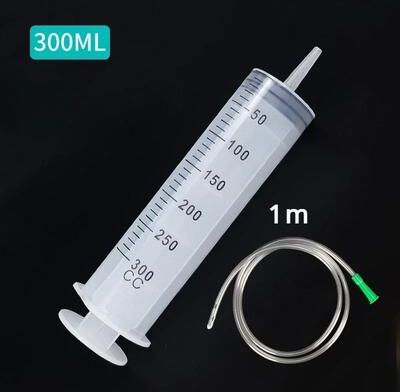
Inspired Finds Large Capacity Reusable Syringe Pump With Hose For Fluid Transfer And Pet Feeding 300ml 10.1 Fl OzTransfer liquids accurately and efficiently with this large capacity reusable syringe pump. Available in multiple capacities, this fluid transfer syringe includes a 1meter hose for convenient suction and dispensing of oils, water, nutrients, and...34,99 $*Shipping: 0,00 $Secure redirect to the provider
-
What is meant by proton donors and proton acceptors?
Proton donors are substances that can donate a proton (H+) to another substance. This typically involves the release of a hydrogen ion. Proton acceptors, on the other hand, are substances that can accept a proton from another substance. This typically involves the uptake of a hydrogen ion. In the context of acid-base reactions, proton donors are acids, while proton acceptors are bases. **
-
What is proton donation and proton acceptance in chemistry?
Proton donation and proton acceptance are key concepts in acid-base chemistry. Proton donation refers to the transfer of a hydrogen ion (proton) from one substance to another. This typically occurs when an acid donates a proton to a base. Proton acceptance, on the other hand, involves the acceptance of a proton by a substance, often a base, leading to the formation of a new chemical species. These processes are fundamental to understanding the behavior of acids and bases in chemical reactions. **
-
Are there only proton-proton collisions in the particle accelerator?
No, there are not only proton-proton collisions in the particle accelerator. Particle accelerators can also collide protons with other particles such as electrons or heavy ions like lead or gold. These collisions are important for studying different aspects of particle physics and for exploring the fundamental forces and particles that make up the universe. By colliding different types of particles, scientists can gain a better understanding of the fundamental building blocks of matter and the forces that govern their interactions. **
-
Why are carboxylic acids proton donors and amines proton acceptors?
Carboxylic acids are proton donors because they contain a highly electronegative oxygen atom that can stabilize the resulting carboxylate anion by delocalizing the negative charge. Amines, on the other hand, are proton acceptors because they contain a lone pair of electrons on the nitrogen atom that can readily accept a proton to form a positively charged ammonium ion. This ability to donate or accept protons is due to the presence of functional groups in these molecules that can easily gain or lose a hydrogen ion in solution. **
* All prices are inclusive of VAT and, if applicable, plus shipping costs. The offer information is based on the details provided by the respective shop and is updated through automated processes. Real-time updates do not occur, so deviations can occur in individual cases. ** Note: Parts of this content were created by AI.