Buy domainnameservice.org ?
We are moving the project
domainnameservice.org .
Are you interested in purchasing the domain
domainnameservice.org ?
domain@kv-gmbh.de · 0541-91531010
Buy domainnameservice.org ?
Is the sanitary silicone ammonia-free?
Yes, sanitary silicone is typically ammonia-free. Silicone sealants are formulated without ammonia, making them safe for use in areas where ammonia fumes could be harmful, such as bathrooms and kitchens. This makes sanitary silicone a popular choice for sealing and waterproofing in these areas. Always check the product label or specifications to confirm that the silicone sealant is indeed ammonia-free. **
What is the difference between ammonia and ammonia solution?
Ammonia is a compound with the chemical formula NH3, consisting of one nitrogen atom and three hydrogen atoms. It is a colorless gas with a pungent odor. On the other hand, ammonia solution, also known as ammonium hydroxide, is a solution of ammonia gas in water. It is commonly used as a cleaning agent and in various industrial processes. The main difference between the two is that ammonia is a gas, while ammonia solution is a liquid solution of ammonia in water. **


Similar search terms for Ammonia-free
Top-Angebote
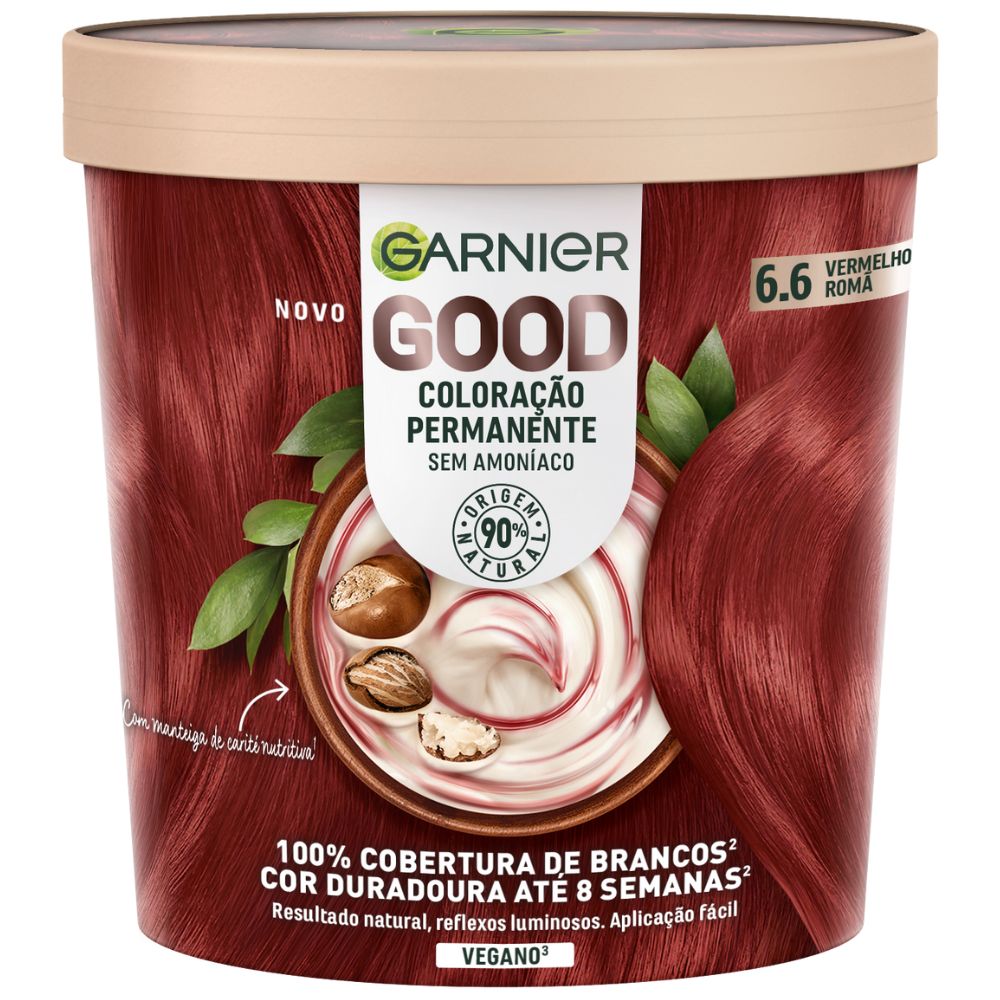
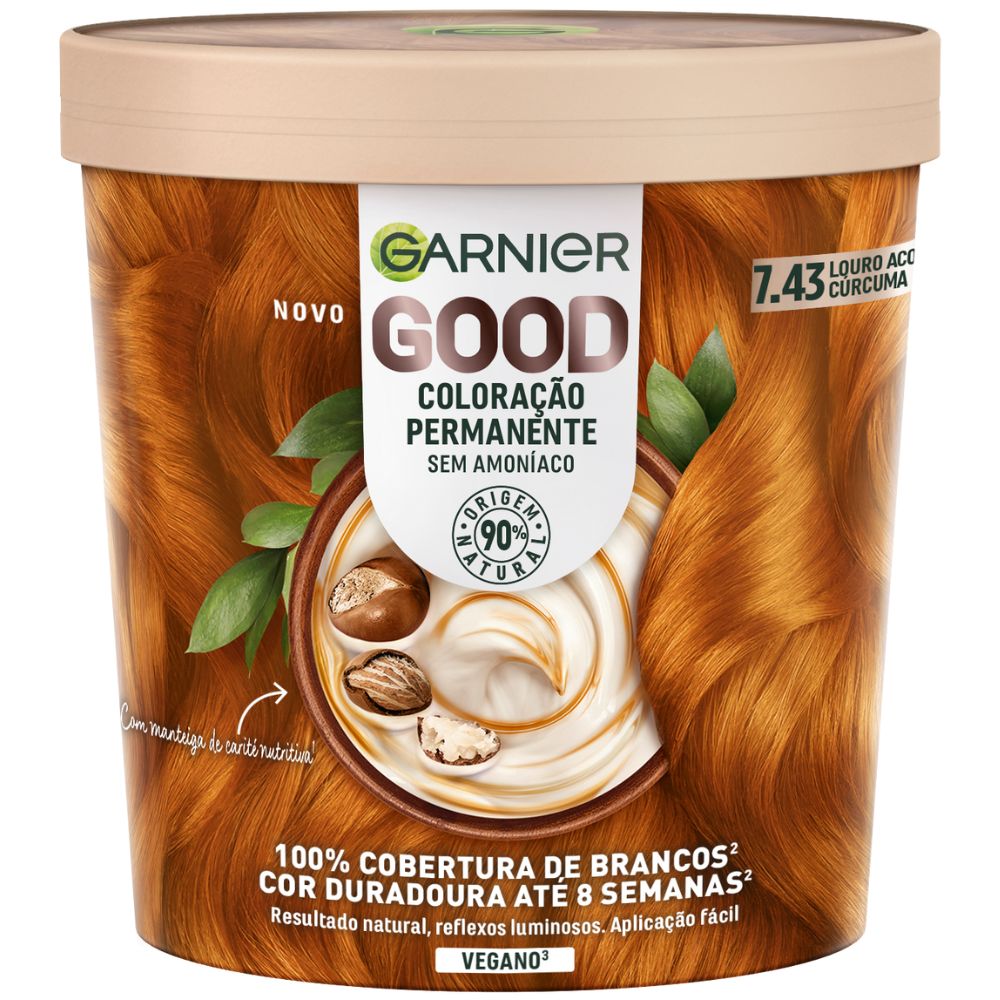
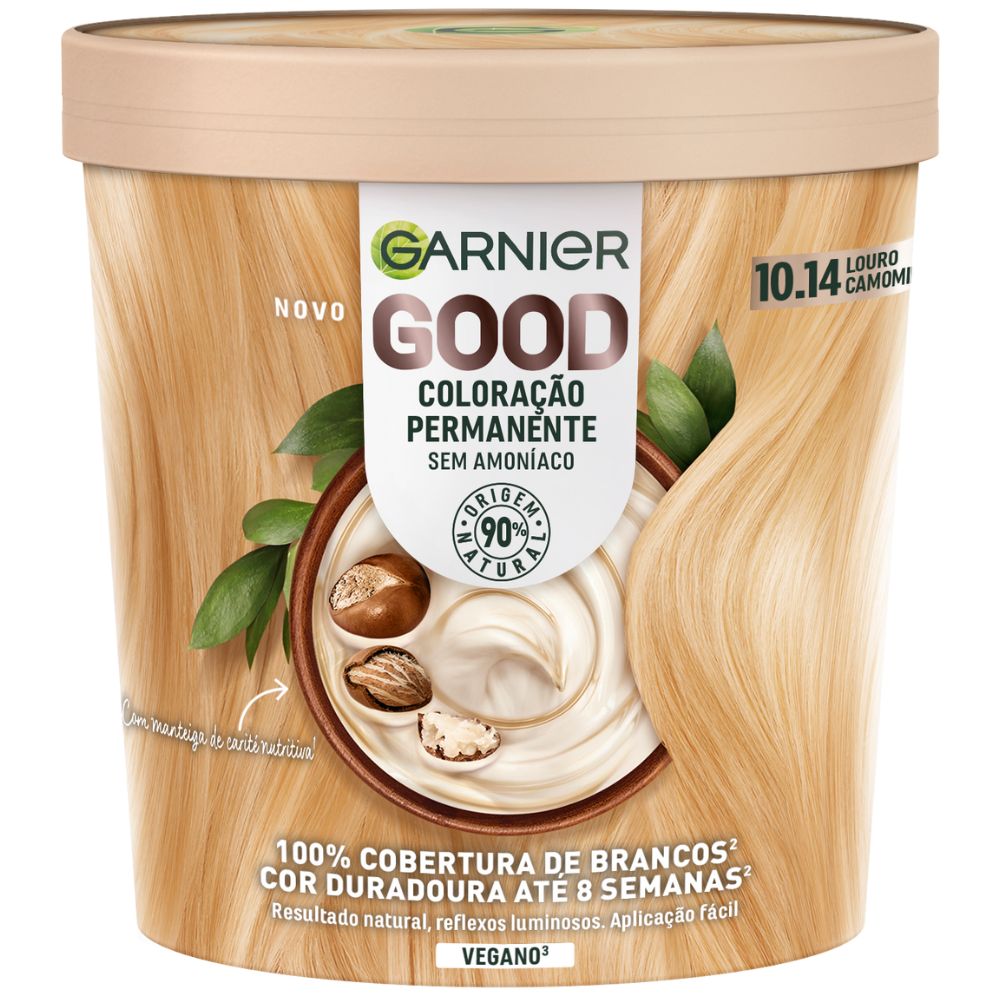
Products related to Ammonia-free:


-
Is free hosting secure?
Free hosting can be less secure than paid hosting because it often lacks the same level of security features and support. Free hosting providers may not invest as much in security measures, leaving websites vulnerable to hacking, malware, and other security threats. Additionally, free hosting services may have weaker infrastructure and less reliable backups, putting websites at risk of data loss. It's important to carefully consider the security implications before choosing a free hosting option for your website. **
-
Does ammonia burn?
Yes, ammonia can burn. When ammonia is exposed to a flame or high heat, it can ignite and burn, producing nitrogen dioxide and water vapor. However, ammonia is not easily ignited and requires a high temperature to start burning. It is important to handle ammonia with caution and follow proper safety procedures to prevent accidents. **
-
What is free website hosting?
Free website hosting refers to a service that allows individuals or businesses to host their website on a server without having to pay for it. This means that the hosting provider will offer server space and resources for the website at no cost. However, free website hosting often comes with limitations such as limited storage, bandwidth, and features, as well as potential ads on the website. It is a good option for those who are just starting out and have a limited budget, but may not be suitable for larger or more complex websites. **
-
What is free VPS hosting?
Free VPS hosting is a service that provides virtual private server hosting at no cost. It allows users to have their own virtual server with dedicated resources such as CPU, RAM, and storage space without having to pay for it. However, free VPS hosting often comes with limitations such as lower performance, limited resources, and fewer features compared to paid VPS hosting plans. Users should carefully review the terms and conditions of free VPS hosting providers to understand any restrictions or potential hidden costs. **

Is there free web hosting?
Yes, there are free web hosting services available. Many companies offer free web hosting with limited features and resources, such as limited storage space, bandwidth, and support. These free hosting services are suitable for small personal websites or testing purposes. However, for businesses or websites with higher traffic and resource needs, it is recommended to invest in a paid web hosting service to ensure better performance and support. **
How is ammonia produced?
Ammonia is produced through the Haber-Bosch process, which involves combining nitrogen and hydrogen gases under high pressure and temperature in the presence of a catalyst, typically iron. The nitrogen is usually obtained from the air through a process called air separation, while the hydrogen is typically obtained from natural gas through a process called steam reforming. The reaction between nitrogen and hydrogen produces ammonia, which can then be further processed and purified for various industrial uses, such as fertilizer production. **
Top-Angebote
Products related to Ammonia-free:
-
Ion Ammonia-Free Powder Lightener 1lb 1 lbIon Ammonia-Free Powder Lightener is infused with Gardenia Flower Extract, Coconut, Chia Seed and Sunflower Oils. The conditioning, dust-free formula is suitable for all application techniques both on and off the scalp.26,99 $*Shipping: 0,00 $Secure redirect to the provider
-
Is the sanitary silicone ammonia-free?
Yes, sanitary silicone is typically ammonia-free. Silicone sealants are formulated without ammonia, making them safe for use in areas where ammonia fumes could be harmful, such as bathrooms and kitchens. This makes sanitary silicone a popular choice for sealing and waterproofing in these areas. Always check the product label or specifications to confirm that the silicone sealant is indeed ammonia-free. **
-
What is the difference between ammonia and ammonia solution?
Ammonia is a compound with the chemical formula NH3, consisting of one nitrogen atom and three hydrogen atoms. It is a colorless gas with a pungent odor. On the other hand, ammonia solution, also known as ammonium hydroxide, is a solution of ammonia gas in water. It is commonly used as a cleaning agent and in various industrial processes. The main difference between the two is that ammonia is a gas, while ammonia solution is a liquid solution of ammonia in water. **
-
Is free hosting secure?
Free hosting can be less secure than paid hosting because it often lacks the same level of security features and support. Free hosting providers may not invest as much in security measures, leaving websites vulnerable to hacking, malware, and other security threats. Additionally, free hosting services may have weaker infrastructure and less reliable backups, putting websites at risk of data loss. It's important to carefully consider the security implications before choosing a free hosting option for your website. **
-
Does ammonia burn?
Yes, ammonia can burn. When ammonia is exposed to a flame or high heat, it can ignite and burn, producing nitrogen dioxide and water vapor. However, ammonia is not easily ignited and requires a high temperature to start burning. It is important to handle ammonia with caution and follow proper safety procedures to prevent accidents. **
Similar search terms for Ammonia-free
-
What is free website hosting?
Free website hosting refers to a service that allows individuals or businesses to host their website on a server without having to pay for it. This means that the hosting provider will offer server space and resources for the website at no cost. However, free website hosting often comes with limitations such as limited storage, bandwidth, and features, as well as potential ads on the website. It is a good option for those who are just starting out and have a limited budget, but may not be suitable for larger or more complex websites. **
-
What is free VPS hosting?
Free VPS hosting is a service that provides virtual private server hosting at no cost. It allows users to have their own virtual server with dedicated resources such as CPU, RAM, and storage space without having to pay for it. However, free VPS hosting often comes with limitations such as lower performance, limited resources, and fewer features compared to paid VPS hosting plans. Users should carefully review the terms and conditions of free VPS hosting providers to understand any restrictions or potential hidden costs. **
-
Is there free web hosting?
Yes, there are free web hosting services available. Many companies offer free web hosting with limited features and resources, such as limited storage space, bandwidth, and support. These free hosting services are suitable for small personal websites or testing purposes. However, for businesses or websites with higher traffic and resource needs, it is recommended to invest in a paid web hosting service to ensure better performance and support. **
-
How is ammonia produced?
Ammonia is produced through the Haber-Bosch process, which involves combining nitrogen and hydrogen gases under high pressure and temperature in the presence of a catalyst, typically iron. The nitrogen is usually obtained from the air through a process called air separation, while the hydrogen is typically obtained from natural gas through a process called steam reforming. The reaction between nitrogen and hydrogen produces ammonia, which can then be further processed and purified for various industrial uses, such as fertilizer production. **
* All prices are inclusive of VAT and, if applicable, plus shipping costs. The offer information is based on the details provided by the respective shop and is updated through automated processes. Real-time updates do not occur, so deviations can occur in individual cases. ** Note: Parts of this content were created by AI.